
Common Signs of Masking
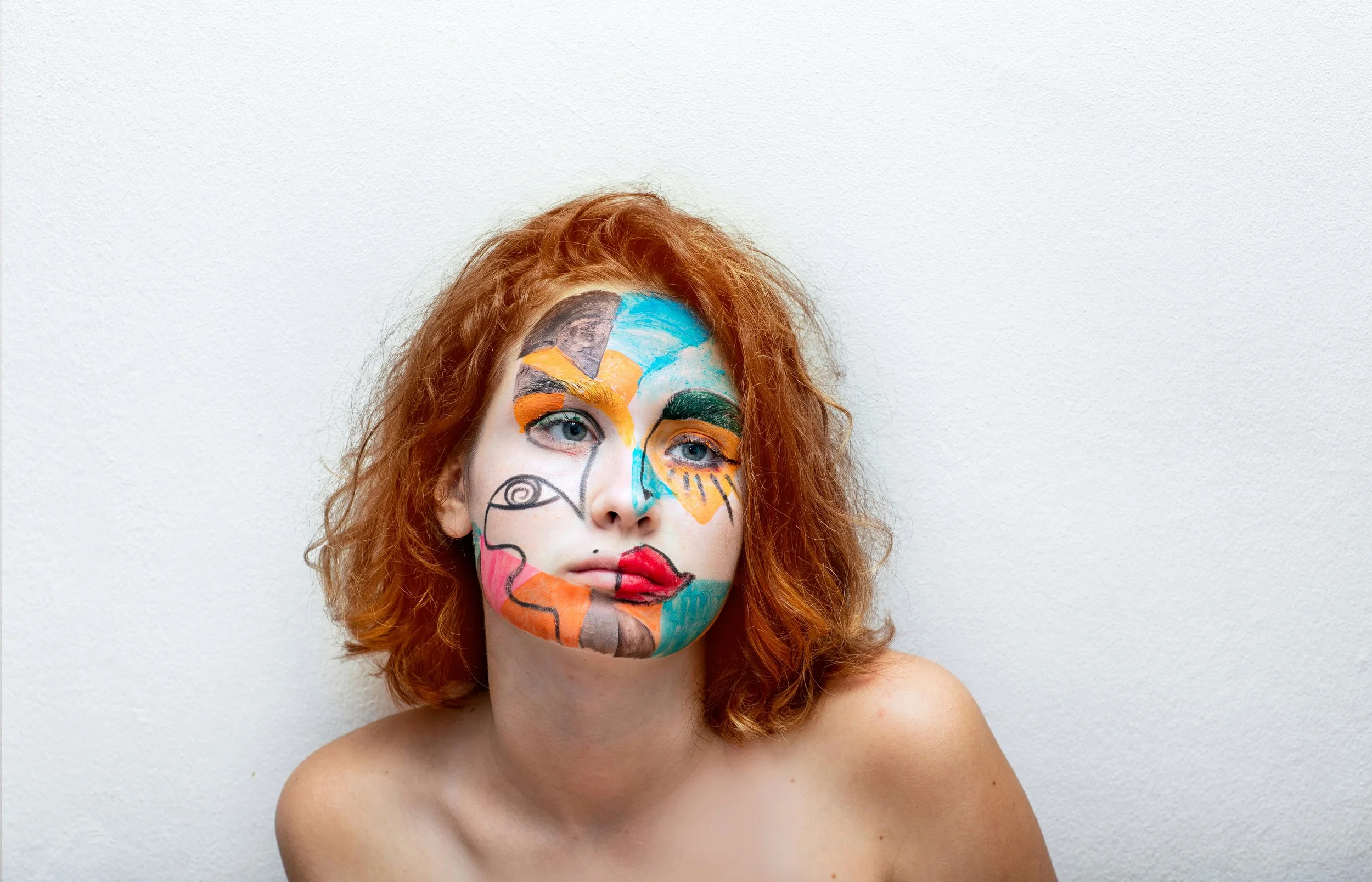
Masking can be subtle—and often missed. Some signs include:
Mimicking social behaviors, tone, or body language
Forcing eye contact or rehearsing conversations
Suppressing stimming or sensory needs
Appearing socially “put together” but struggling privately
Feeling exhausted after social interaction
A delayed or missed autism diagnosis
(Unmasking Autism Traits | Neurodivergent Insights)
The Hidden Cost
Masking may help with social acceptance—but it comes at a price:
Chronic exhaustion & burnout
Anxiety, depression, and identity confusion
Feeling disconnected from your authentic self
Difficulty recognizing your own needs
Research shows prolonged masking can significantly impact mental health and well-being over time.
(Autism Masking: Definition, Examples, and How to Unmask)
Why It’s Missed in Women
Autism has historically been defined through a male-centered lens.
Because of this:
Women are more likely to be misdiagnosed or diagnosed later in life
Masking can make traits less “visible”
Social differences may be labeled as anxiety, perfectionism, or personality
This contributes to a long-standing gap in recognition and support.
(Understanding Autism in Adult Women | Prosper Health)
What Actually Helps
Support isn’t about “unmasking” all at once—it’s about safety and choice.
Helpful approaches:
Creating environments where authenticity is safe
Validating sensory and communication needs
Reducing pressure to perform socially
Encouraging rest and recovery from burnout
Masking isn’t a flaw—it’s a response. And behind it is a nervous system doing its best to navigate the world.